
War College Journal
Nepal: The Making of an Inclusive Constitution
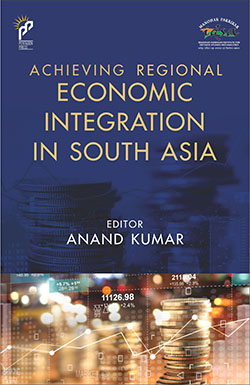
South Asia, home to nearly 1.9 billion people, remains one of the least integrated regions globally, despite its enormous economic potential and shared cultural ties. In an era where regional cooperation is vital for achieving sustained growth and addressing common challenges, South Asia lags behind other regions in terms of trade, investment, and cross-border connectivity. Achieving Regional Economic Integration in South Asia explores the barriers that have historically hindered economic cooperation in the region, from political tensions and infrastructure deficits to regulatory obstacles and economic asymmetries. This edited volume brings together leading scholars and policymakers to analyse these challenges and offer actionable solutions. Covering critical areas such as trade liberalisation, energy cooperation, digital connectivity, and the role of external actors, the book provides a comprehensive roadmap for fostering deeper economic ties among South Asian nations. Drawing on lessons from other successful regional blocs such as ASEAN and the European Union, this volume highlights how economic integration can enhance regional stability, promote growth, and lift millions out of poverty. It is an essential resource for anyone interested in South Asia's economic future and the pathways to greater regional cooperation.
Read More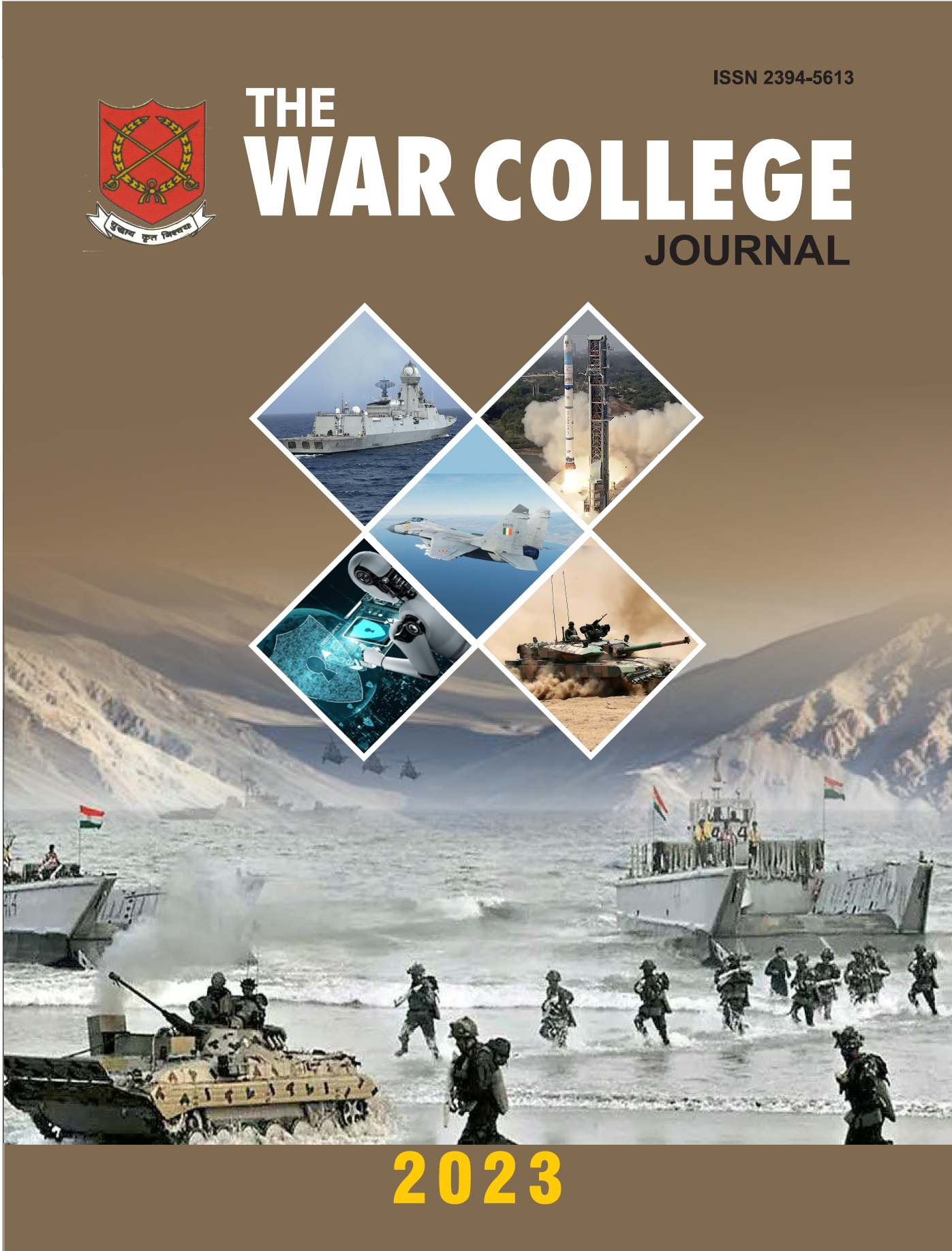
The War College Journal
South Asia, home to nearly 1.9 billion people, remains one of the least integrated regions globally, despite its enormous economic potential and shared cultural ties. In an era where regional cooperation is vital for achieving sustained growth and addressing common challenges, South Asia lags behind other regions in terms of trade, investment, and cross-border connectivity. Achieving Regional Economic Integration in South Asia explores the barriers that have historically hindered economic cooperation in the region, from political tensions and infrastructure deficits to regulatory obstacles and economic asymmetries. This edited volume brings together leading scholars and policymakers to analyse these challenges and offer actionable solutions. Covering critical areas such as trade liberalisation, energy cooperation, digital connectivity, and the role of external actors, the book provides a comprehensive roadmap for fostering deeper economic ties among South Asian nations. Drawing on lessons from other successful regional blocs such as ASEAN and the European Union, this volume highlights how economic integration can enhance regional stability, promote growth, and lift millions out of poverty. It is an essential resource for anyone interested in South Asia's economic future and the pathways to greater regional cooperation.
Read More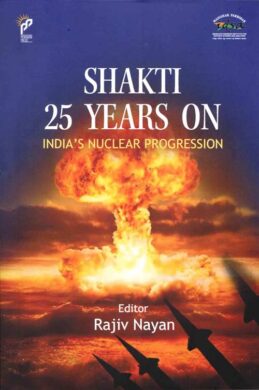
Shakti 25 Years on India's Nuclear Progression
South Asia, home to nearly 1.9 billion people, remains one of the least integrated regions globally, despite its enormous economic potential and shared cultural ties. In an era where regional cooperation is vital for achieving sustained growth and addressing common challenges, South Asia lags behind other regions in terms of trade, investment, and cross-border connectivity. Achieving Regional Economic Integration in South Asia explores the barriers that have historically hindered economic cooperation in the region, from political tensions and infrastructure deficits to regulatory obstacles and economic asymmetries. This edited volume brings together leading scholars and policymakers to analyse these challenges and offer actionable solutions. Covering critical areas such as trade liberalisation, energy cooperation, digital connectivity, and the role of external actors, the book provides a comprehensive roadmap for fostering deeper economic ties among South Asian nations. Drawing on lessons from other successful regional blocs such as ASEAN and the European Union, this volume highlights how economic integration can enhance regional stability, promote growth, and lift millions out of poverty. It is an essential resource for anyone interested in South Asia's economic future and the pathways to greater regional cooperation.
Read More
50 Years of the Biological Weapons Convention
South Asia, home to nearly 1.9 billion people, remains one of the least integrated regions globally, despite its enormous economic potential and shared cultural ties. In an era where regional cooperation is vital for achieving sustained growth and addressing common challenges, South Asia lags behind other regions in terms of trade, investment, and cross-border connectivity. Achieving Regional Economic Integration in South Asia explores the barriers that have historically hindered economic cooperation in the region, from political tensions and infrastructure deficits to regulatory obstacles and economic asymmetries. This edited volume brings together leading scholars and policymakers to analyse these challenges and offer actionable solutions. Covering critical areas such as trade liberalisation, energy cooperation, digital connectivity, and the role of external actors, the book provides a comprehensive roadmap for fostering deeper economic ties among South Asian nations. Drawing on lessons from other successful regional blocs such as ASEAN and the European Union, this volume highlights how economic integration can enhance regional stability, promote growth, and lift millions out of poverty. It is an essential resource for anyone interested in South Asia's economic future and the pathways to greater regional cooperation.
Read More
The War College Journal
Examining leadership principles and decision-making processes during military crises, this publication provides insights into effective command strategies and psychological aspects of military leadership. The comprehensive analysis covers stress management techniques for military leaders, the importance of adaptive leadership in dynamic environments, and the role of emotional intelligence in military command structures. It includes case studies of successful crisis leadership, examination of decision-making under pressure, and practical frameworks for developing resilient leadership capabilities in military organizations facing unprecedented challenges.
Read More